
2026: Between Social Justice and Authoritarian Regression

2

026 isn’t just another year on the calendar. It’s an inflection point — a crossroads between the Brazil that still believes in democracy and the one flirting with the abyss. These elections go far beyond choosing a president: they will reshape Congress, state governments, and, on top of that, appoint three new justices to the Supreme Federal Court. Three — enough to seal the institutional fate of the country.
If the far right wins, democratic balance ceases to be a pillar — it becomes a memory.
But the danger isn’t confined to the ballot box. It seeps into churches, social networks, and classrooms. There are religious leaders who’ve turned faith into a political weapon, framing the election as a holy war. In militarized religious retreats, teenagers are trained to fight “God’s enemies.” This isn’t fiction — it’s strategy. And when polls reveal a rise in rejection of same-sex marriage, the signal is clear: we are losing the symbolic battle.
The defense of civil liberties, diversity, and inclusion is no longer a progressive ideal. It’s a matter of democratic survival.
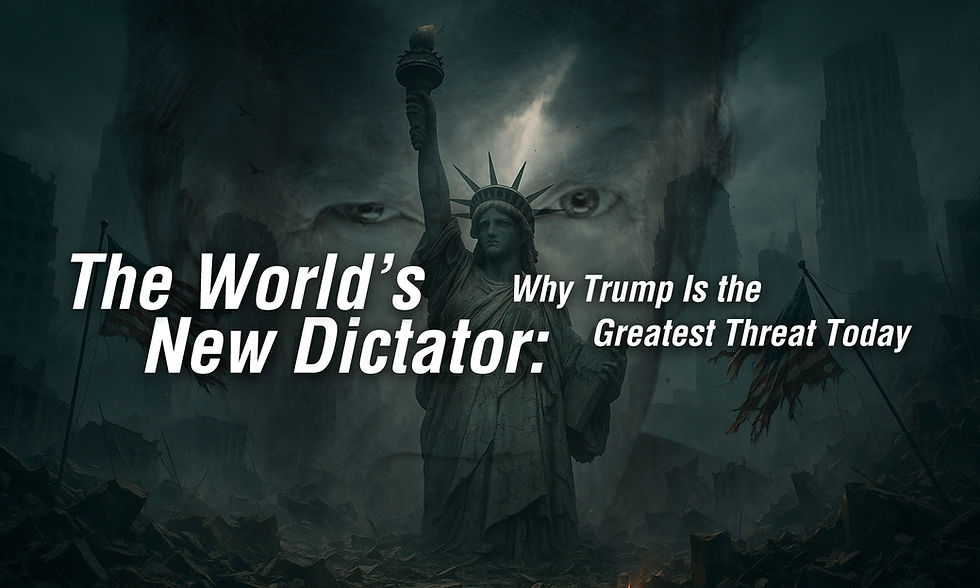
Abroad, the picture offers no comfort. The war in Ukraine drags on. Gaza becomes an open wound. Populists like Milei and Trump rise from the ashes — each selling the same illusion of a past that never existed.
Yuval Harari calls this the “silicon curtain”: an era where technology, driven by corporations and short-sighted governments, threatens to divide the world between those who program — and those who are programmed.
At the core lies a single question: who writes the code of our freedom?
At home, the game is no less brutal. The logic of financial capital remains alive, even when it kills. Banks lay off thousands while celebrating record profits. Big Tech preaches innovation but delivers precarity. And meritocracy becomes a social anesthetic. Only a solid progressive agenda — grounded in income redistribution, a strong public health system (SUS), and investment in education and science — can offer a real way out.
Defending science today is defending truth. Defending education is protecting our ability to think — something authoritarian regimes despise by instinct.
The planet, too, is showing symptoms of exhaustion. Global warming is no longer a metaphor; it’s a diagnosis. And Brazil, guardian of the Amazon and the planet’s last green breath, carries in its hands both the chance — and the burden — to lead a climate justice agenda. The blind belief in endless growth is our modern Tower of Babel: ambition without purpose. We must learn to grow with conscience, not against time.
And then there’s freedom of expression — democracy’s most fragile jewel. When even the Pentagon filters journalists, censorship is no longer an exception. In Brazil, the farce is different: extremists scream “freedom” while selling disinformation.
Regulating platforms isn’t censorship. It’s sanity. Truth doesn’t survive in toxic environments.
In the end, 2026 is a civilizational choice. Move forward toward social justice, sustainability, and diversity — or slide backward into authoritarianism and democratic collapse. There’s no fixed destiny, only consequences. The crises we created can still become turning points — if political will, collective ethics, and species awareness prevail.
What’s at stake in 2026 is whether Brazil will keep trying — or finally give up.
If this text stirred something in you, share it. Not to persuade, but to remind: democracy doesn’t defend itself.
Comments